Senyuman Dah Cantik, Jangan Lupa Retainer!
Nov 20, 2026

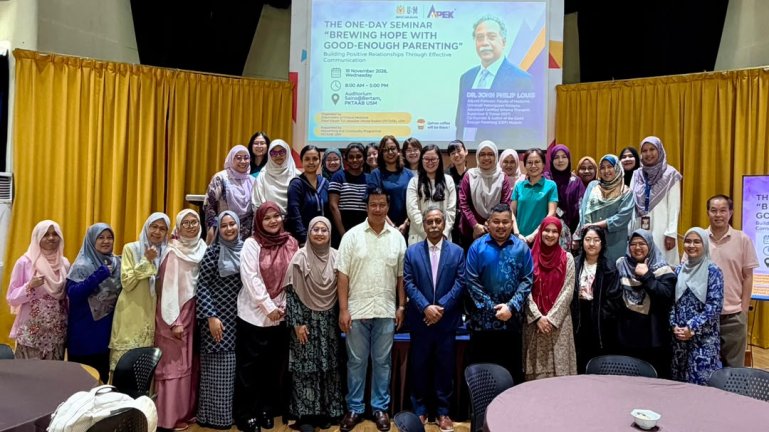
AUDITORIUM SAINS@BERTAM, PKTAAB, USM, November 18 2026
Parenting is one of life's most meaningful responsibilities, yet it is also one of its greatest challenges. Every parent wants the best for their children. We want them to be happy, confident, successful, responsible and emotionally healthy. Recognising the importance of nurturing positive parent-child relationships and strengthening parenting skills, the Department of Clinical Medicine, Pusat Kanser Tun Abdullah Ahmad Badawi (PKTAAB), Universiti Sains Malaysia (USM), organised a one-day seminar entitled "Brewing Hope with Good Enough Parenting: Building Positive Relationships Through Effective Communication" on 18 November 2026 at Auditorium Sains@Bertam, PKTAAB, USM
Supported by the PKTAAB, USM Networking and Community Programme Fund, this initiative reflects the centre's commitment to extending its contribution beyond clinical services through community engagement, health education and family well-being initiatives. Led by Dr. Husnaida Abdul Manan@Sulong from the Department of Clinical Medicine, PKTAAB, the seminar brought together participants for a meaningful day of learning, reflection and discussion on the principles of effective parenting and healthy family relationships.
The seminar featured Dr. John Philip Louis, Adjunct Professor, Faculty of Medicine, Universiti Kebangsaan Malaysia, an Advanced Certified Schema Therapist, Supervisor and Trainer (ISST), and Co-Founder and Author of the Good Enough Parenting (GEP) Module. The concept of Good Enough Parenting developed by Dr. John and Karen Louis draws upon Schema Therapy, particularly the understanding that childhood experiences contribute significantly to the development of patterns of thinking, feeling and behaving throughout life. In Schema Therapy, these patterns are known as schemas. Schemas are deeply rooted beliefs and emotional patterns that influence how individuals perceive themselves, other people and the world around them. For example, a child who consistently experiences criticism, rejection or emotional neglect may gradually develop beliefs such as:
• I am not good enough.
• I am not worthy of love.
• My feelings do not matter.
• I must always please others to be accepted.
• I cannot succeed without someone helping me.
Drawing upon his expertise in Schema Therapy and parenting, Dr. John shared insights into how parents can better understand their children's emotional needs, recognise unhelpful parenting patterns and cultivate healthier ways of communicating with their children. The programme explored several important dimensions of Good Enough Parenting, beginning with an introduction to the concept and its relevance to parent-child relationships. Participants were introduced to the concept of Exasperation, the importance of nurturing parenting (Asuhan Nurturance), healthy marriages and different coping styles. The sessions also highlighted the Young Parenting Inventory (YPI-R3) and Positive Parenting Schema Inventory (PPSI) as tools for understanding parenting patterns and their potential influence on children's emotional development.
A key focus of the seminar was the discussion of children's core emotional needs, which formed the foundation of the afternoon sessions. The programme identifies four (4) core emotional needs, together with an additional dimension relating to spiritual values and community.
1. Connection and Acceptance
Children need to feel loved, accepted, valued and emotionally connected to their parents. They need to know that they are important, regardless of their academic performance, achievements or mistakes. A child should never have to earn the right to be loved.
2. Healthy Autonomy and Performance
Children need opportunities to explore, make decisions, develop competencies and experience independence. Parents should guide and support rather than control every aspect of their children's lives. Allowing children to make age-appropriate mistakes is part of helping them become confident and capable individuals.
3. Reasonable Limits
Love does not mean allowing children to do whatever they want. Children need appropriate boundaries, consistent discipline and guidance. Reasonable limits help them develop self-control, responsibility, respect for others and an understanding of consequences.
4. Realistic Expectations
Every child is different. Children have different temperaments, developmental trajectories, strengths and limitations. Parents need to recognise their children's individuality and avoid imposing expectations that are unrealistic or inconsistent with their developmental abilities.
5. Spiritual Values and Community
The additional dimension emphasises the importance of developing values, meaning, purpose and a sense of belonging within a wider community. Children benefit from learning compassion, gratitude, integrity, responsibility and consideration for others.
Through these discussions, participants gained a deeper appreciation of the importance of emotional connection, acceptance, appropriate boundaries, autonomy and realistic expectations in raising emotionally healthy children. The seminar concluded with an interactive question-and-answer session, providing participants with an opportunity to clarify their understanding, share perspectives and reflect on how the principles of Good Enough Parenting could be incorporated into their everyday family interactions.
Good Enough Is Not Mediocre Parenting
Ultimately, Brewing Hope with Good Enough Parenting served as a meaningful platform to promote greater awareness of positive parenting practices and reinforce the importance of nurturing healthier family relationships. Good Enough Parenting should never be misunderstood as careless, permissive or mediocre parenting. It is a thoughtful approach that recognises the importance of emotional needs, healthy boundaries, realistic expectations and positive parent-child relationships. The work of Dr John Philip Louis and Karen McDonald Louis reminds us that parenting is not simply about what we want our children to become. It is equally about how we make them feel while they are becoming who they are. Perhaps the greatest gift we can give our children is not a perfect childhood, but a childhood in which they know that they are loved, accepted, respected and supported. We do not have to be perfect parents. We have to be parents who are willing to learn, reflect, change and reconnect.
Because children do not need perfect parents. They need parents who are good enough to make them feel that they are good enough, too.
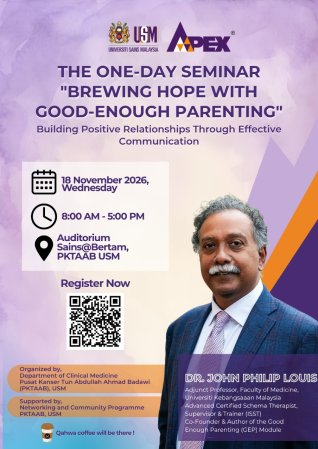
Photo by: NURUL HIDAYAH BINTI MOHD SA'AT
Photo by: Clinical Psychology Unit, PKTAAB
Poster program
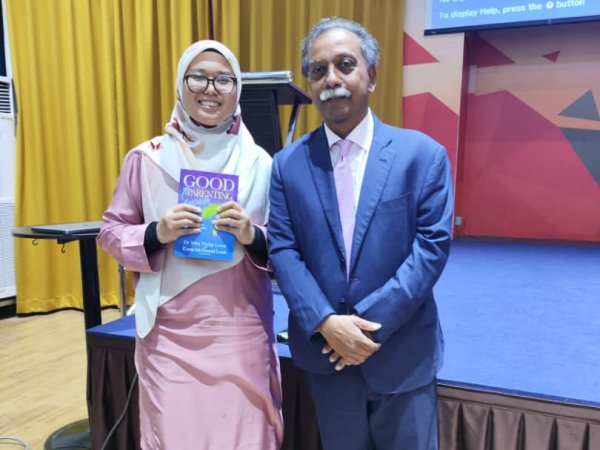
Photo by: AMIRUN IDLAN BIN MOHD ROSLI
Photo by: PKTAAB, USM
Dr. John Philip Louis with lucky participant
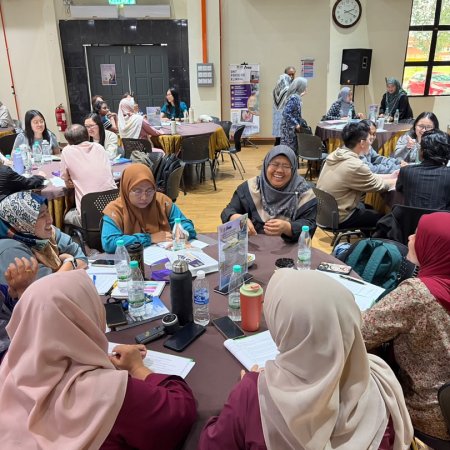
Photo by: AMIRUN IDLAN BIN MOHD ROSLI
Photo by: PKTAAB, USM
Participant
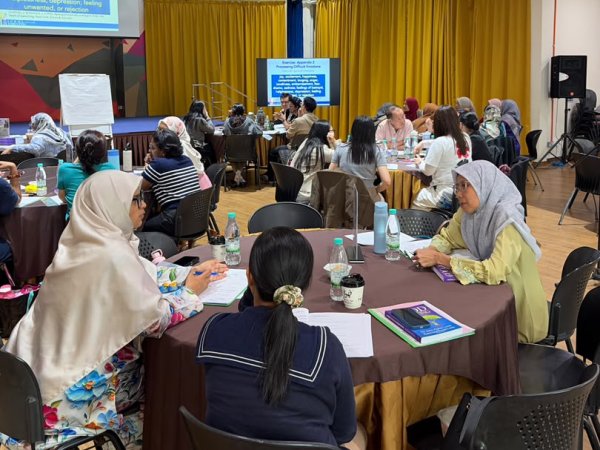
Photo by: AMIRUN IDLAN BIN MOHD ROSLI
Photo by: PKTAAB, USM
Participant
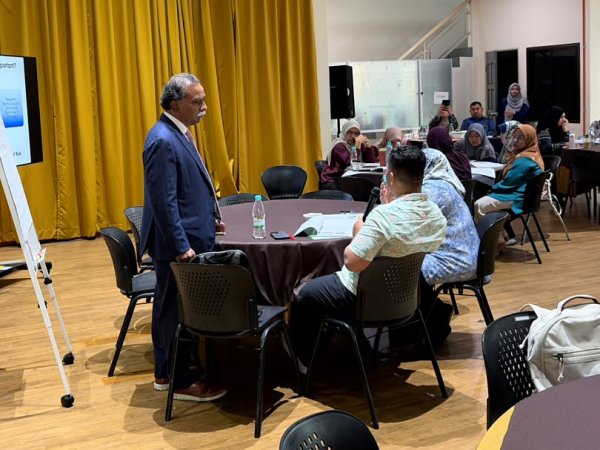
Photo by: AMIRUN IDLAN BIN MOHD ROSLI
Photo by: PKTAAB, USM
Q&A session
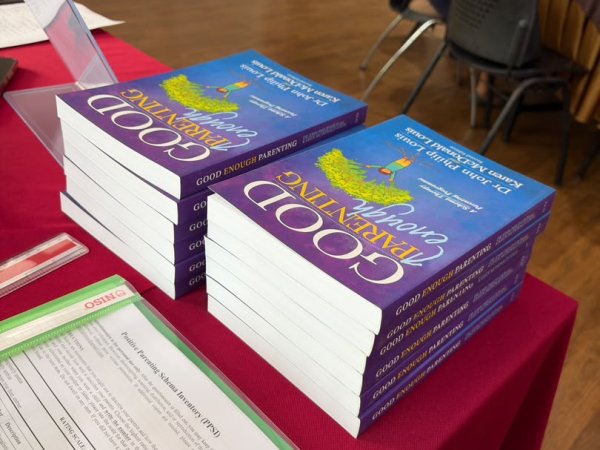
Photo by: AMIRUN IDLAN BIN MOHD ROSLI
Photo by: PKTAAB, USM
Book Good Enough Parenting - Dr. John
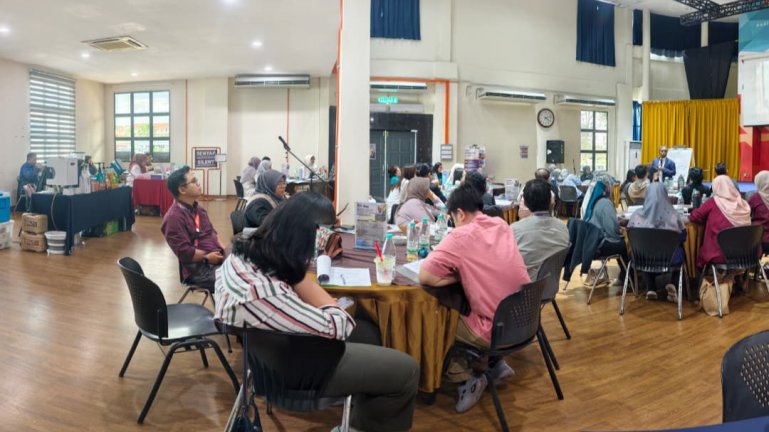
Photo by: AMIRUN IDLAN BIN MOHD ROSLI
Photo by: PKTAAB, USM
Participant at Auditorium Sains@Bertam, PKTAAB, USM
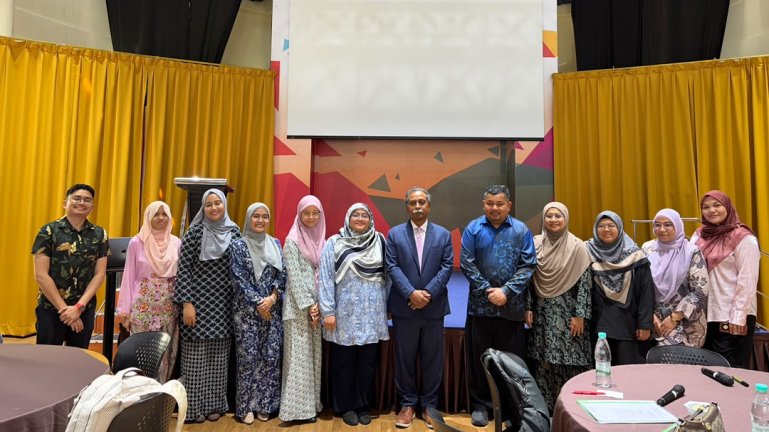
Photo by: AMIRUN IDLAN BIN MOHD ROSLI
Photo by: PKTAAB, USM
The Committee member lead by Dr. Husnaida Abdul Manan@Sulong
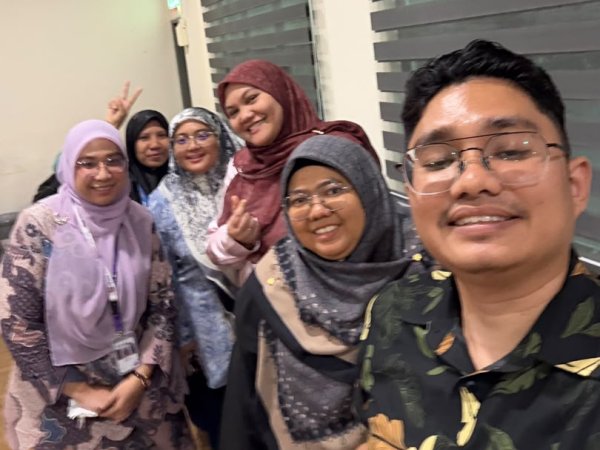
Photo by: AMIRUN IDLAN BIN MOHD ROSLI
Photo by: PKTAAB, USM
Behind the scene....
Nov 20, 2026