Seminar Pemantapan Kemahiran Dan Kompetensi Kejururawatan 2026 Perkukuh Amalan Penjagaan Pesakit
Oct 07, 2026
CANCER RESEARCH CENTRE, USM BERTAM, April 6 2026
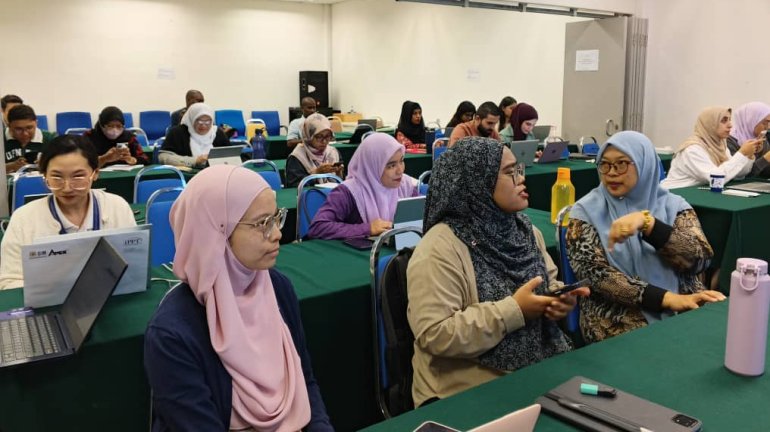
Universiti Sains Malaysia, organised S.P.A.R.K 2026 (Student Progress and Resilient Knowledge) from 6 to 8 April 2026, bringing together postgraduate students and academic staff in a coordinated effort to strengthen both research progression and supervisory practices.
The initiative was conceptualised and led by Dr. Siti Hawa binti Ngalim, with institutional support from the Academic and International Division (BAA), Jawatankuasa Pembangunan Pelajar (JKPEP) PKTAAB, and the PKTAAB Student Association.
Postgraduate Student Development: Beyond Technical Skills (6–7 April 2026)
The student-focused component of S.P.A.R.K 2026 addressed a recurring concern in postgraduate education: progress is often hindered not by a lack of knowledge, but by unclear direction, inconsistent habits, and difficulty sustaining motivation over time.
To address this, the programme emphasised structured thinking and self-management as core research competencies. Across the two days, participants were guided to develop clearer life and career direction, align expectations with the realities of postgraduate study, and build practical strategies for resilience, productivity, time management, skill development, and networking.
A defining feature of the workshop was the “YOU. In 10 Years.” visioning activity, where participants constructed a personalised long-term vision of themselves across four key dimensions: their future environment, professional role, intended impact, and one critical skill they aim to master. Supported by AI-assisted tools, this activity encouraged participants to connect present actions with long-term aspirations, providing a clearer sense of purpose and direction.
The workshop adopted an interactive approach, incorporating guided reflection, scenario-based activities, and peer-informed discussions. These methods encouraged participants to critically examine their own habits and decision-making processes, fostering a shift from passive learning towards intentional and sustained action.
A key feature of the programme was the “Venting Vault”, an anonymous platform that enabled participants to openly share personal challenges related to burnout, self-doubt, supervision dynamics, and career uncertainty. The collective responses underscored the shared nature of these experiences and highlighted the importance of psychologically safe learning environments.
In addition, the programme created opportunities for experiential learning through student-led facilitation. Selected postgraduate participants took on roles as emcees and activity facilitators, strengthening their communication, coordination, and leadership skills within a real-world setting.
Participation across both days reached a total of 65 attendees, reflecting strong engagement in both physical and virtual formats.
Participants also reflected on several key insights emerging from the sessions. Many recognised that clarity of direction is more impactful than constant activity, that burnout is influenced by both workload and mindset, and that excellence is built through structure, consistency, and intentional effort. Managing one’s internal dialogue was also identified as a critical yet often overlooked research skill.
Strengthening Postgraduate Supervision (8 April 2026)
The supervisor session extended the S.P.A.R.K framework by focusing on the academic perspective, recognising that effective postgraduate outcomes require not only capable students but also adaptive and well-supported supervisors.
The session explored supervision as a multidimensional practice involving academic guidance, interpersonal management, and strategic decision-making. Through interactive discussions and applied activities, participants examined real-world supervisory scenarios, including communication breakdowns, delays in progress, and expectation misalignment.
The concept of “Graduate on Time (GOT)” was reframed as a dynamic process shaped by both structured planning and unavoidable uncertainties. Participants reflected on how deliberate systems, such as consistent engagement, clear milestones, and timely intervention, can support sustained student progression.
The discussions also highlighted the realities faced by supervisors, including emotional fatigue, increasing performance expectations, and resource-related constraints. These insights reinforced the need for more sustainable and balanced approaches to postgraduate supervision.
The session was attended by 20 participants comprising academic staff and professionals, reflecting continued interest in strengthening postgraduate supervision practices.
Programme Support and Scalability
The successful implementation of S.P.A.R.K 2026 was made possible through the support of PKTAAB management, particularly Assoc. Prof. Dr. Bakiah and Assoc. Prof. Dr. Hazwani binti Ahmad Yusof @ Hanafi, who approved a RM3,096 allocation. This funding supported essential components of the programme, including on-site food and beverage arrangements, travel expenses for external speakers, and the development and copyright of the S.P.A.R.K modules for both student and supervisor tracks.
A key outcome of the initiative is the development of two dedicated S.P.A.R.K activity kits, one tailored for postgraduate students and another for supervisors. Each kit contains the full set of modules, along with structured interactive games, facilitation guides, and suggested programme formats designed to sustain engagement throughout the sessions.
The accompanying module templates are complete, user-friendly, and designed for easy replication. Importantly, the modules are built using widely accessible teaching and learning tools such as Padlet, Mentimeter, and Wordwall, allowing the programme to be implemented with minimal technical barriers.
For faculties, centres, or organisers within USM or external agencies interested in adopting or adapting the S.P.A.R.K framework for semester intake or new student admission periods, further information may be obtained by contacting Dr. Siti Hawa binti Ngalim or the Academic and International Office (BAA), PKTAAB USM.
Speakers and Panellists
The programme benefited from contributions by speakers and panellists representing diverse expertise across counselling, academia, and postgraduate experience. These included Puan Norzita binti Nanyan, Senior Counsellor from the Counselling Unit at the USM Engineering Campus; Dr. Syafira binti Masri, Lecturer at the RCSI-UCD Malaysia Campus; and Cik Batoul Alallam, a PhD candidate at PKTAAB USM and recipient of the Persada Kencana Award 2025 and Sanggar Sanjung Award 2025.
Additional contributors included Cik Nur Alia Afifah binti Zakaria, a Yang di-Pertuan Agong Scholar (2022); Cik Nur Fitrah binti Abdullah Sani, recipient of the Kurita Overseas Research Grant 2025; Cik Nur Aisyah Ilman binti Nor Adnan and Cik Helena binti Muhammad Adam, both Clinical Psychology trainees from UCSI University; as well as Prof. Dr. Badrul Hisham bin Yahaya, Deputy Director of Research and Networking at PKTAAB USM, Dr. Nor Shuhada binti Murad @ Mansor, Lecturer at PKTAAB USM, and Puan Nurul Hidayah binti Mohd Sa’at, Psychology Officer at PKTAAB USM.
Acknowledgement
PKTAAB extends its sincere appreciation to the organising committee for their commitment to the successful implementation of S.P.A.R.K 2026. The committee constituted by Prof. Madya Dr. Hazwani binti Ahmad Yusof @ Hanafi as Patron and Chairperson, with Dr. Siti Hawa binti Ngalim serving as Project Director and Lead Strategist.
The programme was further supported by Ts. Dr. Syamimi binti Shamsuddin (Head of Speaker Engagement and Protocol), Dr. Ooi Jer Ping (Head of Technical Operations and Logistics), and Dr. Zarina Thasneem binti Zainudeen (Head of Communications and Publicity). Key coordination roles were undertaken by Puan Nur Anis Syamimi binti Mohammad Azmi (Secretariat and Appointment Coordinator), Encik Norhisham bin Puteh @ Arif (Participant Management Coordinator), and Puan Zurina binti Md Pazil (Hospitality and Catering Coordinator).
Monitoring and evaluation were led by Dr. Mohammad Syamsul Reza bin Harun, while technical execution was supported by Puan Azizah binti Noor (Technical Lead, Engineering and Digital Infrastructure). Student engagement and facilitation were strengthened through the contributions of Cik Wan Nurul Islamiah binti Wan Ahmad, Cik Nur Syafiqah binti Mohamad Koya, and Encik Muhammad Arif Omar, who served as Student Engagement and Master of Ceremony leads.
Conclusion
S.P.A.R.K 2026 highlights the importance of addressing postgraduate education as an integrated system, where student capability and supervisory effectiveness must be developed in parallel. By combining structured frameworks, interactive learning, and open dialogue, the initiative contributes to a more resilient and adaptive postgraduate research environment.
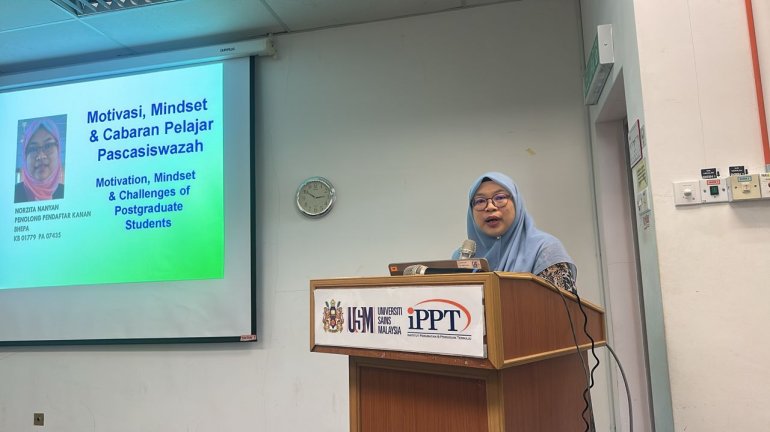
Photo by: SITI HAWA BINTI NGALIM
Psychologist from USM Engineering, Nibong Tebal
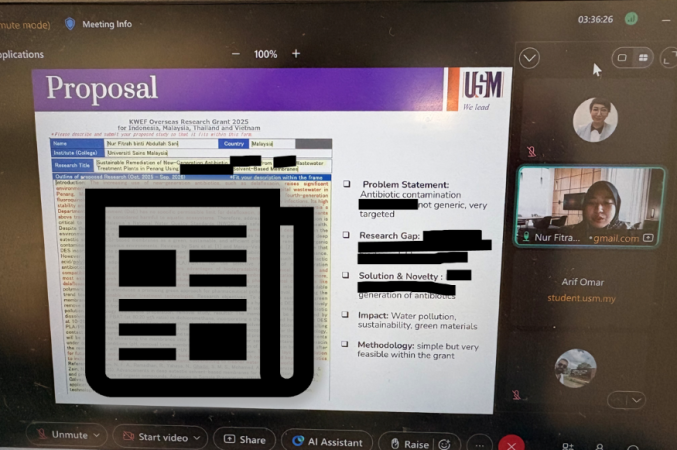
Photo by: SITI HAWA BINTI NGALIM
A PhD student shared her experience leveraging one of her research aims for an international grant application, of which now led her to getting another esteemed mobility award to Japan.
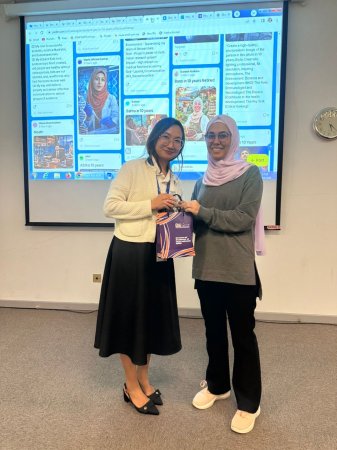
Photo by: SITI HAWA BINTI NGALIM
Another student who won USM's Sanggar Sanjung Award for excelling in her studies. She emphasised the importance to rest and manage time wisely during her studies to avoid burnout.
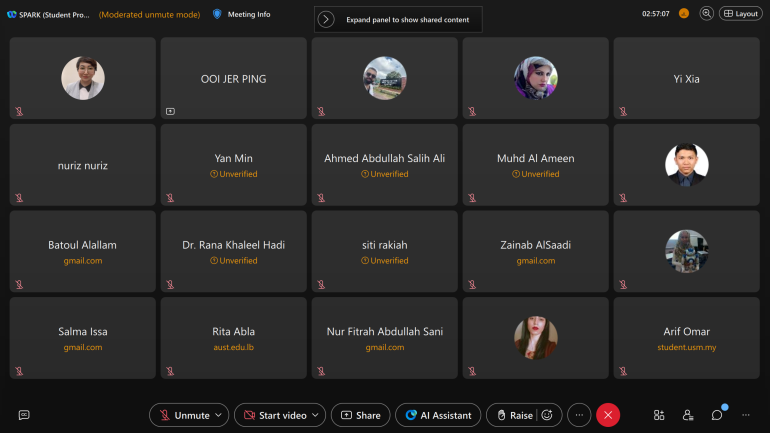
Photo by: SITI HAWA BINTI NGALIM
Students from abroad like Middle East are joining online too, despite the time difference.

Photo by: SITI HAWA BINTI NGALIM
Snapshot of content in the SPARK Student Kit day 2.
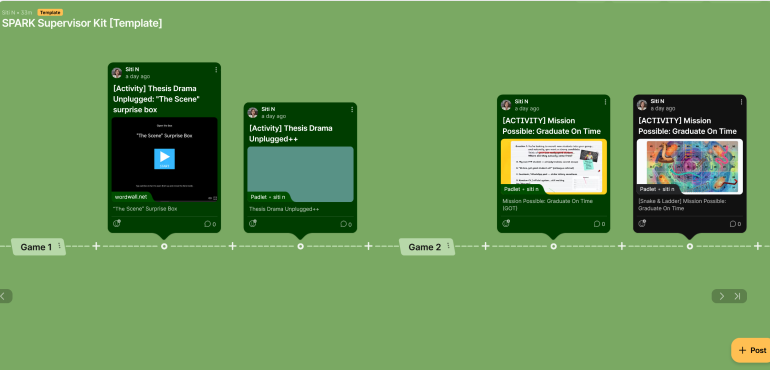
Photo by: SITI HAWA BINTI NGALIM
Snapshot of content in the SPARK Supervisor Kit.
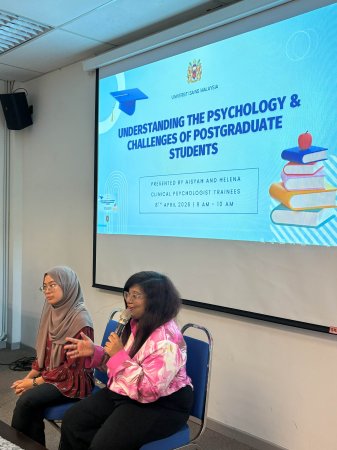
Photo by: SITI HAWA BINTI NGALIM
A talk by Clinical Psychology Trainees from UCSI University
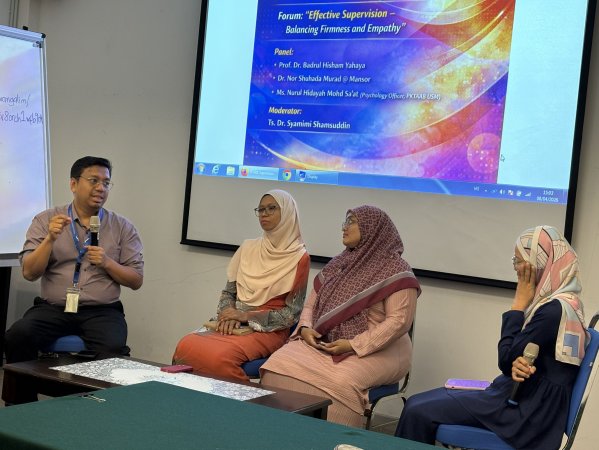
Photo by: SITI HAWA BINTI NGALIM
A forum session with panellists on being firm but at the same time empathetic too.
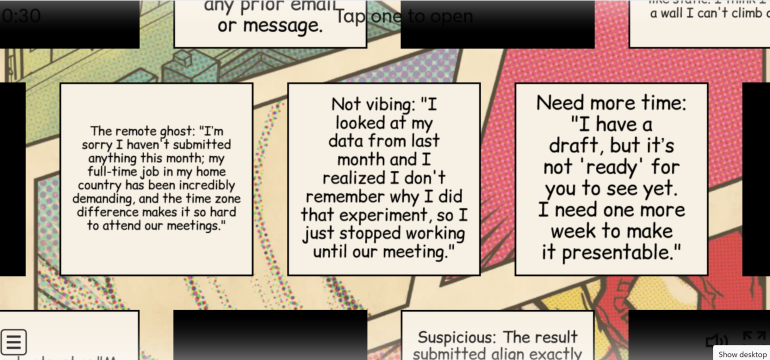
Photo by: SITI HAWA BINTI NGALIM
The 'surprise box' drama game for supervisors
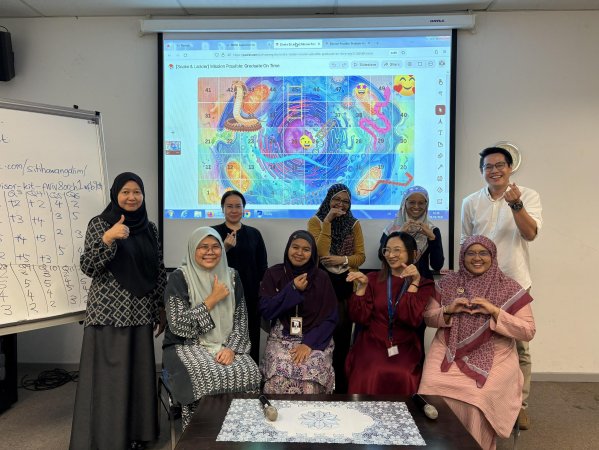
Photo by: SITI HAWA BINTI NGALIM
Post-'snake and ladder' game to Graduate On Time (GOT) before attendees went to enjoy afternoon tea.
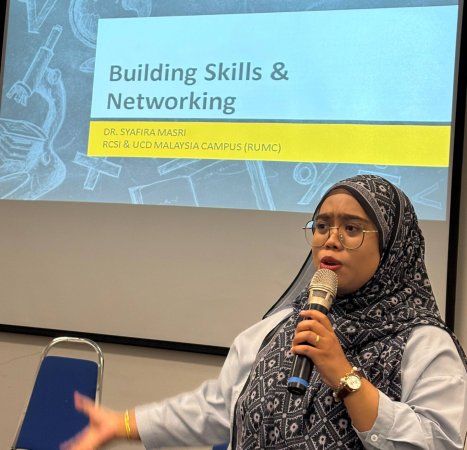
Photo by: SITI HAWA BINTI NGALIM
UKM Gold Award winner, now a lecturer at RUMC Campus Malaysia shared her PhD experience
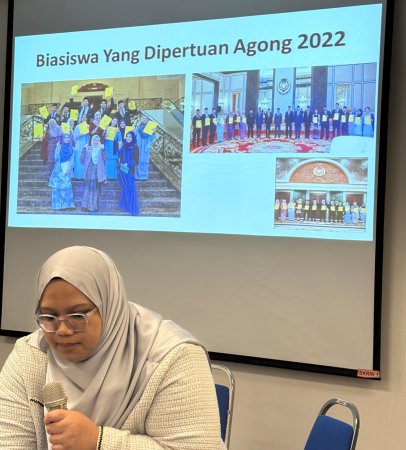
Photo by: SITI HAWA BINTI NGALIM
A Malaysian King's Scholarship holder sharing her experience to secure one of 6 scholarships offered annually.