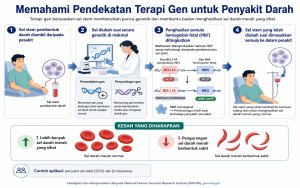
Terapi Gen Untuk Penyakit Darah: Daripada Rawatan Sepanjang Hayat Kepada Potensi Penyembuhan
Aug 14, 2026

January 9 2024
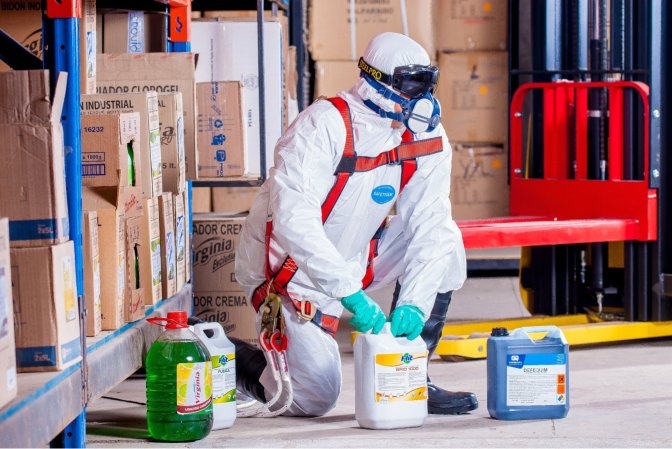
If you are using chemicals at your workplace, you are most likely at risk to be exposed to the substance/s that you are handling. Exposure to chemicals can lead to variety of injuries and illnesses including burns, rashes, systemic damage, and cancer. For example, long-term exposure to benzene can cause leukemia and cancer of the blood-forming organs.
As one of the ways to control the exposure to chemicals, suppliers are required to provide you with relevant information that is usually compiled in a document named “safety data sheet” (SDS). With the information that are supplied through this document, you may be able to assess and control the risks of exposure to the chemicals that you are handling. In Malaysia, it is the responsibility of suppliers to make SDS available to users. This requirement is clearly stipulated in the CLASS regulations (Occupational Safety and Health (Classification, Labeling and Safety Data Sheet of Hazardous Chemicals) Regulations 2013). According to this regulation, the latest SDS should be made available by the supplier when you purchased a chemical or product and it is the right of the user to request SDS from the supplier.
As mentioned above, SDS is a document produced when a product was first entering the market. You may equate this document as the “birth certificate” of any products that consist of one or many chemicals. If a supplier produced a solvent called methanol, there should be an SDS for methanol by the supplier. In another example, if a supplier produced a paint product that consist of many components or chemicals, there should also be an SDS listing each of the chemicals in the said product.
In the “birth certificate” aka the SDS, a concept in chemical management that uses the phrase “from cradle to grave” is applied. Simply put, the SDS should list specific information from the origin of the said chemical up to the information to dispose them accordingly. According to the CLASS Regulations 2013, the information in the SDS should consist of 16 parts as follows:
As an end user, it is recommended but (not limited) for you to focus on the following information from SDS as stated below.
So, what is next for you?
Reference:
Occupational Safety and Health (Classification, Labeling and Safety Data Sheet of Hazardous Chemicals) Regulations 2013.
Written by:
Maisarah Nasution Waras
Jabatan Toksikologi
AMDI, USM
OSHE IPPT Unit
Pejabat Pengarah
AMDI, USM