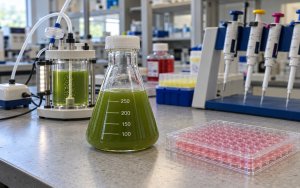
Dari Ekstrak Ke Isyarat Sel: Menyingkap Potensi Mikroalga Dalam Penyelidikan Kanser
Oct 20, 2026


January 3 2025
What is Anaemia?
Anaemia is a condition characterized by a deficiency in the number or quality of red blood cells or in the amount of haemoglobin (the protein in red blood cells that carries oxygen throughout the body)1. For young adults, anaemia can be particularly concerning, as this phase of life often includes rapid growth, busy schedules, and high energy demands. When someone has anaemia, they may experience symptoms like fatigue, weakness, shortness of breath, and pale skin2. Young adults with anaemia often have less stamina, which can impact both their studies and their work lives.
Why Does Anaemia Happen in Young Adults?
While there are many different causes of anaemia in young adults, the following are common ones2:
Who is Affected?
Young adults, especially women, are at higher risk. Globally, anaemia impacts around one-quarter of the population, with young women often more affected due to both biological and lifestyle factors3. Athletes, vegetarians, vegans, and individuals who follow specific diets may also be more prone to anaemia if they don’t plan their nutrition carefully.
How is Anaemia Detected?
Anaemia is diagnosed through blood tests. A complete blood count (CBC) is typically the first step because it provides information about haemoglobin levels and the number of red blood cells. A normal haemoglobin level for male are 14-18 g/dL and female are 12-16g/dL3. Further tests, such as the following, may aid in determining the underlying cause of anaemia.
Iron Studies: These tests check iron levels, ferritin, and transferrin saturation to determine if iron deficiency is present.
Vitamin Levels: Tests for vitamin B12 and folate, essential for red blood cell production, can reveal deficiencies.
Other Tests: If a genetic cause is suspected, further tests like haemoglobin electrophoresis might be recommended.
When Should Young Adults Be Concerned About Anaemia?
Young adults should be aware of their risk and symptoms of anaemia. If your haemoglobin level is less than 7g/dL it is a must to seek immediate medical attention2. Experiencing symptoms such as persistent tiredness, shortness of breath, dizziness, or pale skin are also a concern and it’s worth discussing these with a healthcare provider. Routine check-ups or screenings can help identify anaemia early1.
Anaemia can also impact other activities, such as blood donation. Blood donation centres screen all donor’s haemoglobin levels to ensure they have sufficient iron stores to donate safely4. If you are anaemic or at risk of anaemia, it’s essential to address these concerns before donating blood, as this can further reduce your iron levels, potentially worsening the condition.
Why is Anaemia Relevant to Blood Donation?
Blood donation is a generous act, but it involves removing red blood cells from the body, which can lead to a decrease in iron stores. This reduction can affect young adults who are already at risk of anaemia or have lower iron reserves. Blood centres have strict guidelines to protect donors, particularly regarding haemoglobin levels, but individuals need to manage their own health proactively.
Young adults who are frequent blood donors, particularly women, may be more susceptible to anaemia if they don’t take steps to replenish iron after donation. This is why most blood centres ask individuals to wait several months between donations to allow the body to recover. In some cases, iron supplementation might be recommended for frequent donors, especially if dietary intake alone isn’t sufficient to meet iron needs.
How Can Anaemia Be Prevented or Managed?
The good news is that lifestyle changes and proper nutrition can often prevent or manage anaemia in young adults5. Here’s how:
When is it Safe for Anaemic Individuals to Donate Blood?
Blood centres generally advise individuals with anaemia to refrain from blood donation until their haemoglobin levels fall within the acceptable range4. Blood centres will screen potential donors, but if you know you’re at brisk of anaemia, it’s essential to monitor your health and discuss with your doctor before donating.
After receiving treatment and once haemoglobin levels have stabilized, it may be safe to consider donating blood. If you’re someone who needs frequent donations due to medical or personal reasons, working with a healthcare provider to keep track of iron stores can be a sustainable approach.
Why Should Young Adults Care About Anaemia and Blood Donation?
Understanding anaemia is critical for young adults who wish to stay healthy and contribute to blood donation efforts. Awareness of anaemia and management strategies can help individuals prevent it from becoming a limiting factor in their lives. Donating blood is a significant community service, but it's crucial to conduct it responsibly to safeguard your health. By understanding the causes, prevention methods, and impacts on blood donation, young adults can take charge of their health and make informed choices5. Blood donation centres have protocols to ensure donor safety; personal health management is equally important. Through balanced nutrition, responsible blood donation practices, and regular check-ups, young adults can stay healthy and continue supporting life-saving blood donation efforts5.
References: